
“Blessed is the man whose help is from thee ; in his heart he hath disposed to ascend by steps.” — Psalm Ixxxviii. 6.
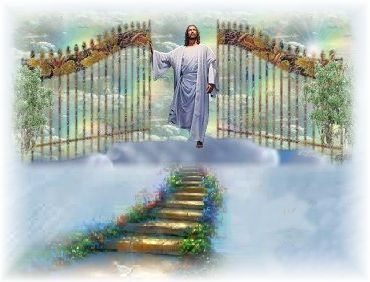
Next Thursday the Church will celebrate the feast of the Ascension of our Lord ; the day on which His sojourn in this vale of tears came to an end, when He entered upon the possession of that glory which He had won by His obedience in this world. In the Collect which is said at Mass on this feast we ask ‘ ‘ that we who believe that Thy only Son, our Redeemer, ascended this day into heaven, may also have our hearts fixed on heavenly things.” In order that we may be better able to enter into the spirit of the approaching feast, and even in this life raise ourselves up above its transitory interests, I propose to point out how our re ligion necessarily elevates the minds and thoughts of those who practice it, how it places them even now in the enjoyment of heavenly treasures, and how, therefore, our minds should even now learn to rest upon things which are above.
We hear a great deal of talk nowadays about the dignity of man, and there are some few people who maintain that we ought to make humanity the supreme object of our care and worship. And newspaper scribes sometimes assert that the doc trines and discipline of the Catholic Church unduly depress mankind, and turn his care and attention into less deserving channels. Now, no one, I am sure, will find fault with those for striving to assist and help their fellow-man by every means in their power; on the contrary, the Church has always fostered and encouraged all such efforts. But when it comes to the worship of humanity, we are unable to acknowledge the rightfulness of such a claim ; and if such refusal makes us the enemies of progress and enlightenment, we must plead guilty.
But so far from depressing and lowering man and his dignity, I venture to say that the doctrines and teaching of the Church raise him to a higher level, and place before him a higher motive and a loftier end than it has ever entered into the mind of the most advanced thinkers of this or any other time to conceive. This, I say, has been done by the Christian religion and by its distinctive teach ing, as distinguished from natural religion and what it tells us. Natural religion tells us, and tells us truly, that there is one Maker and Lord of this world, that we are His creatures, that we must be subject to Him, and that punishment awaits us if we are not so subject. Catholic teaching takes all this for granted, confirms it, builds upon it, and raises us above it.. And how?
The first step in the Christian life is Faith. And what is faith ? What does faith do for us ? Faith is that virtue by which we accept as true those things which God has revealed. Faith, then, brings us face to face with God Himself and His divine veracity. For the truths of faith we have God Himself as the voucher. Is not this an elevation of the mind of man far greater than that to which the loftiest philosophies can lay claim? They can at best give us opinions and guesses ; faith places us at once in the possession of eternal and immutable truth.
The second distinctively Christian virtue is Hope. And what is hope? To what does it raise us ? The light of reason teaches us, as I said before, that we are God’s creatures and must be subject to Him, and if so subject will receive from Him a fitting recompense. But Christian hope makes us look upon God not as our Maker, but as our Father ; not as a Master, but as a Friend ; and makes us look forward to the possession not merely of His gifts and rewards, but of Himself for all eternity.
With reference to the third great Christian virtue — Charity — I have time only to mention that it makes the ruling motive of our lives the love of God for Himself because He is what He is. For, before concluding, I wish to point out the greatest elevation to which we are raised. Take a man who is in the grace of God ; what is his position ? What does the possession of God’s grace make him ? I should not have dared to answer had it not been revealed by God and sanctioned by the Church. It would not have entered into the mind of man to guess ; for that which man in the grace of God possesses is nothing less than a participation of the divine nature ; to use the words of grave theologians, man’s very being is placed in a divine state.
If these things are so, and they are elementary Christian truths, have we not reason enough to have our hearts fixed, even in this life, on heavenly things ?

Five-minute Sermons for Low Masses on All Sundays of the Year
By the Priests of the Congregation of St. Paul, 1893
If you would like to purchase this book in hard copy, please consider clicking on the picture below. Thank you and God Bless!


Leave a Reply